
Early data from the World Cup indicates that sportswear giant Adidas is currently gaining a significant advantage over rival Nike in brand visibility and sales. Adidas, an official sponsor, is seeing a substantial surge in apparel spending and foot traffic, particularly driven by jersey sales. While Nike's business is also growing, it is being outpaced by Adidas, which appears to have a more resonant product offering. Nike, facing declining market share and intense competition, is relying on the World Cup for a boost, though its footwear presence remains strong.

India's craft chocolate makers are changing the market by using local cacao, creating bold new flavours, making chocolate both a luxury and a story.

Emerging economies will take the centre stage in terms of GDP (PPP) growth by 2020.
As India's younger generation becomes more and more health conscious, consumption of healthy drinks particularly probiotic products are growing rapidly.

Mars Inc set to open first chocolate factory in India.

The overall e-commerce opportunity in India and China is comparable, yet it's hard to see any single player in India emerging with Alibaba-like market share.

The pandemic has resulted in a change in consumer lifestyles, with an increased focus on preventive healthcare remedies leading to a surge in demand for immunity-positioned supplements, including Ayurvedic medicines and products, as consumers pursue different ways to combat the virus.

Nestle aims to shed the 'food and beverages company' tag; enters rapidly-growing petcare market in India
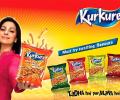
PepsiCo is now betting aggressively on Kurkure, as its offering goes more and more local in its branded snacks.

According to Euromonitor, the budding Indian pet product industry is currently growing at 10-15 per cent per year and has an annual revenue earning potential of 350 crore (Rs 3.5 billion).

In the past 18 months, the department of revenue intelligence has seized 50 containers of cigarettes, valued at nearly Rs 200 crore
According to International Wine and Spirits Research, India's whisky consumption doubled between 2007 and 2012 to about 1.4 billion litres.

Nestle's Maggi 'shock therapy' worked. Nestle probably required such shock treatment as the June 2015 ban on Maggi noodles to jerk it out of its ennui, suggests Suresh Narayanan, now chairman and managing director of Nestle's India business.

Ratan Tata has invested an undisclosed amount in an entity catering to pet care.

The good folks at market intelligence firm Euromonitor International have compiled this list based on international visitors arriving at various cities in 2013.

A combination of one of the lowest labour costs and a large surplus workforce, which will continue to grow until 2031, is one of the key competitive edges that India is leveraging to challenge its rivals in Southeast Asia in the race for a China-Plus-One strategy. Apart from India, the countries in the race to woo global companies that manufacture in China, as well as the supply chains to their country include Thailand, Indonesia, Malaysia, the Philippines, and Vietnam. On the labour front, India is a clear winner.
.jpg)
Gujarat's Amul bagged the top slot with 7.2 per cent share, followed by Mother Dairy and Britannia Industries.
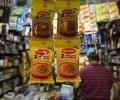
ITC's noodle brand has been caught in the Maggi crossfire.

Indian coffee shops market over the next four-five years will grow between 6 and 18 per cent CAGR, all due to the growing coffee culture among the youth, increasing urbanisation, rising disposable income levels and changing eating and drinking preferences, says Atanu Biswas.

AND, W, Biba step up their game worldwide. While global brands go all out to woo India customers.

Bombay Dyeing is betting on creating a range of unique, customised textile products, a route that is largely unexplored by the home textiles players although several industry reports and consumer behavior studies have talked about the potential for personalisation.

From modest milk chocolate for kids 45 years ago to sophisticated dark chocolate for adults, Amul is a part of India's history.

What 32-year-old star Mandy Moore's actions tell us about anti-ageing regimes...
Cigarette companies have substantial wriggle room thanks to India's complex tax structure, which categorises them by length and filter

Singapore will be counting on its marquee Formula One race to help make up for a 30 percent drop in Chinese tourists this year.

The health drink brand from Mondelez walks the tight rope between tradition and trendy to stay relevant.

'"We want to get the learnings from Flipkart and take it to other parts of the world," Walmart CEO Doug McMillon was quoted as saying.' 'That is a very large tuition fee for an MBA in a country that outdoes Brazil and perhaps even China in busting multinationals' knees and sometimes their heads as they try to crack a market of mostly impoverished people run by a government that has never really given up the sadistic pleasures of administering the license raj,' notes Rahul Jacob.

Many believe that marketing budgets could be a hurdle.
